
Nagaland
Northeast India

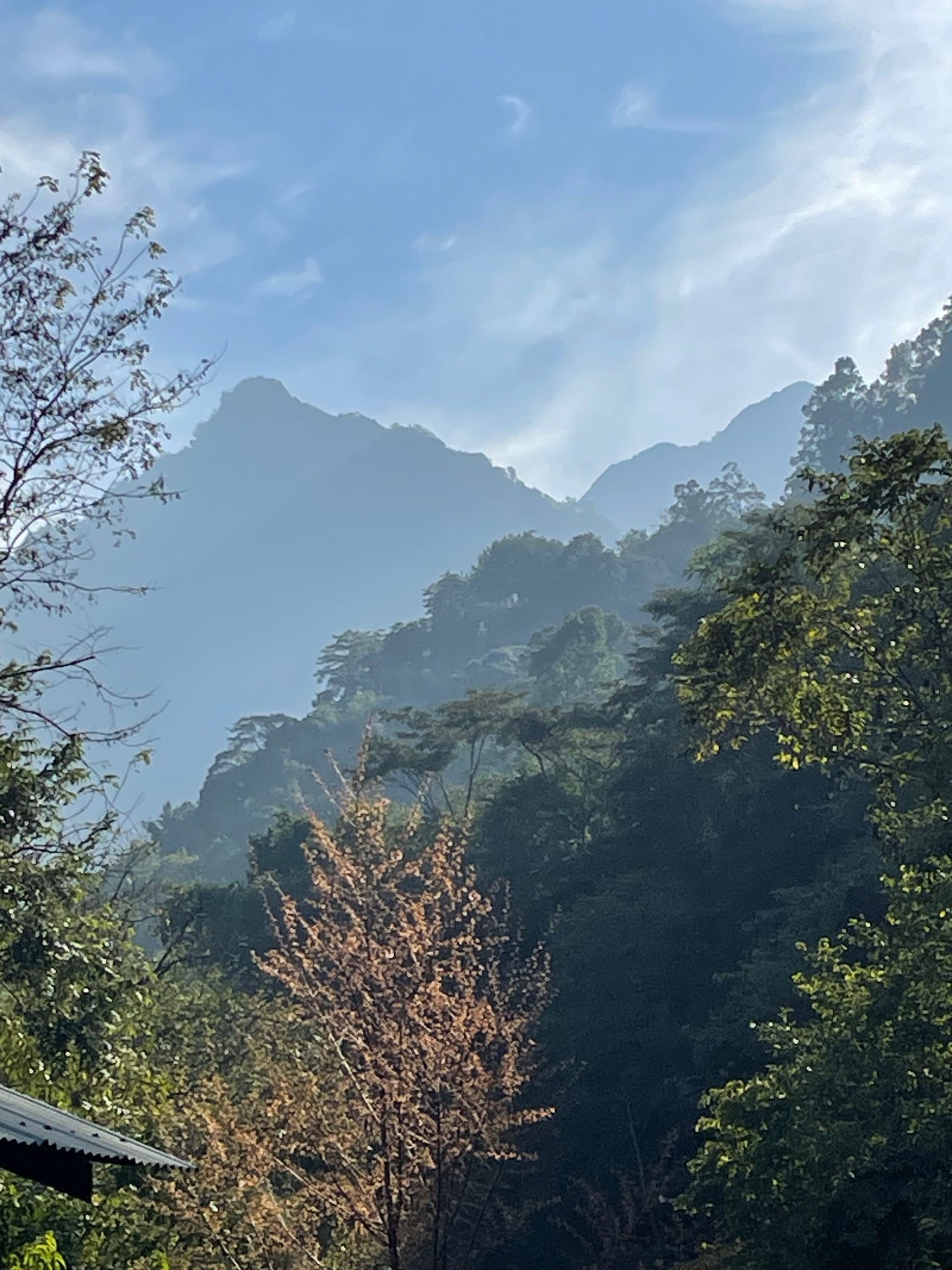
The term Naga was originally used to describe the people living in the hills from Assam to Burma, an area now covered by Nagaland, Manipur, Assam, Arunachal Pradesh and parts of Myanmar. There are seventeen major Naga tribes and numerous sub-tribes, each with their own languages, traditions, customs and beliefs.
The first reference to these peoples as Nagas was in the 12th century when some of the tribes descended from the hills and clashed with the Ahom dynasty in present day Assam. Eventually the Ahoms and Nagas made peace, and treaties and agreements allowed trade to the place. The Nagas lived in peaceful isolation during the 600 year Ahom rule.
Then in 1826 the British arrived, and occupied Assam and sought to control trade routes through the northeast into Burma. By 1866 the British established an outpost at Samaguting (Chumoukedima) to control the Nagas, who had no intention of being controlled. This led to major conflicts. In 1875 the British sent a military expedition to punish the Nagas of Wokha village and in 1878 they occupied Kohima. In 1879 the British fought and defeated the Nagas at Khonoma. The iniquitous East India Company annexed the Naga hills and declared the area as a British Protectorate.
British anthropologists, administrators and ethnographers went to study the area, stealing ‘exotic’ objects to display in museums, such as the Pit Rivers in Oxford. The Nagas were described as backward and uncivilised. In 1880 the British established the Naga Hills District as part of British India, with Kohima as its headquarters. Missionaries came to the area and introduced the tribes to Christianity and education. Although the missionaries were responsible for destroying the traditions and culture of the Nagas, they did make an effort to preserve Naga languages. The British taxed the tribal people, something they deeply resented. This was, after all, money the British extracted from the area.
During the First World War Britain enrolled 2,000 Nagas in the Indian labour Corps and took them to France, where many of them died. Thos who survived returned to the north East where they formed the Naga Club in 1918. This was the beginning of a political movement demanding Naga autonomy.
During the Second World War the British and Indian forces fought and defeated the Japanese at Kohima with a considerable amount of help from the Nagas.
As India approached independence the Nagas organised their resistance with increased demands for independence. Unfortunately, the British handed over the whole north east area to India without consulting the people of the area.
In the 1950s many separatist groups formed and the Indian government declared a state of emergency and launched a military crackdown against the separatists. Over 4,000 people were killed.
In 1963 there was a ceasefire and Nagaland was formed with some autonomy over its internal affairs. But the people of the north east have never been satisfied with the limited autonomy allowed by the Indian government.
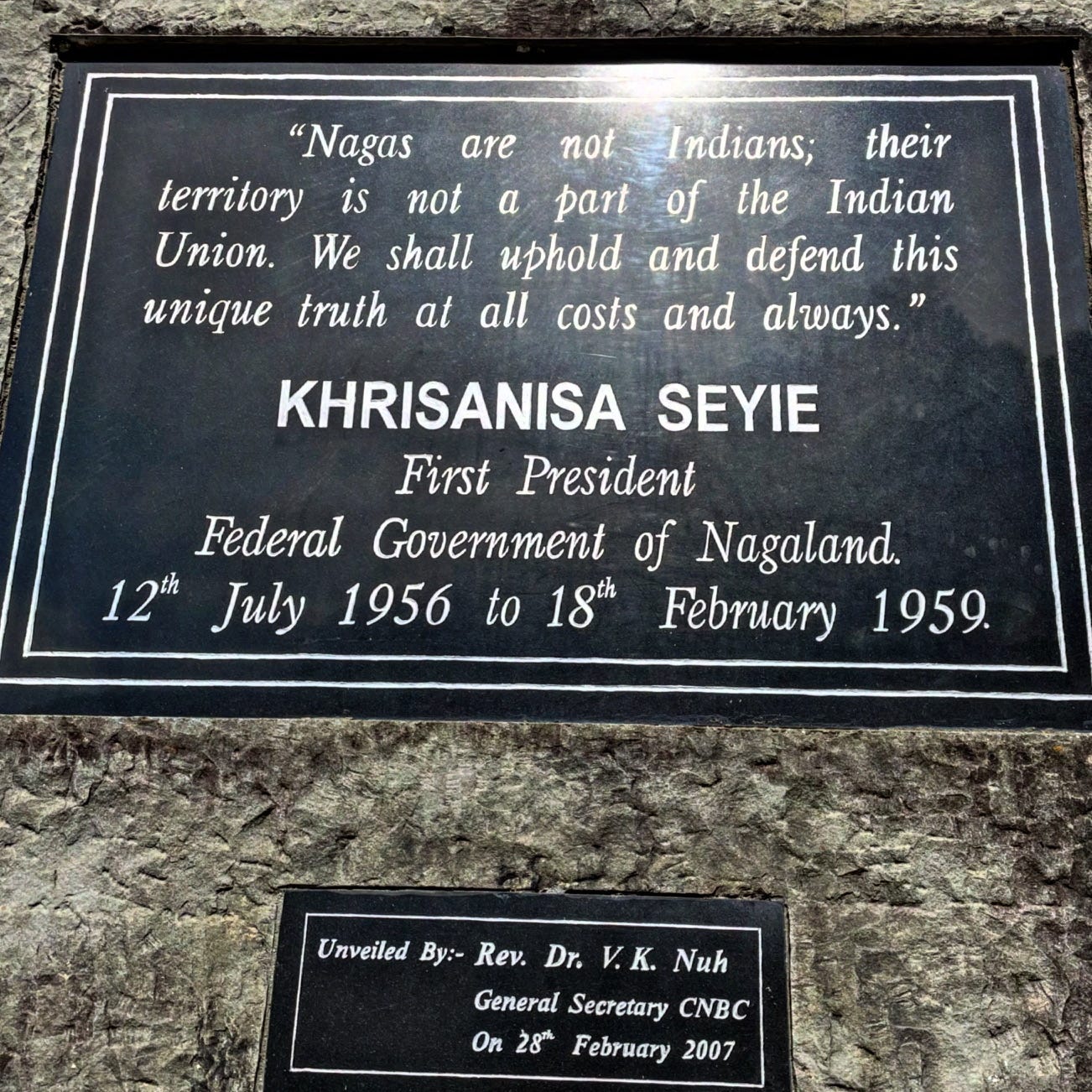
I arrived in Dimapur airport, gateway to Nagaland, exhausted from a long journey with hours spent waiting in airports between flights, only to find that the long arm of India was in operation. All foreigners had to fill out endless forms, give names and phone numbers of local Nagas, wait for the officials to phone these people and demand copies of their passports. The young people asking for all this information were trying to deal with numerous foreigners simultaneously. The result was total chaos.
After a night in a hotel, sleeping soundly, I was met by two young men from Manipur, who told me that if Nagaland were to gain independence none of this form filling would ever be expected. “We would welcome you into our country,” they said. And I believed them. No form filling for the Indians at the airport.